

Rapid City Property Owners’ Rights Lawyers
Additionally Serving the Citizens and Members of Cheyenne River Reservation, Pine Ridge Reservation
& Rosebud Reservation, and Other Native American Communities and Citizens
The Constitution of the United States contains the 5th Amendment which guarantees all Americans several rights. Among these is protection against the government taking property from you without compensation.
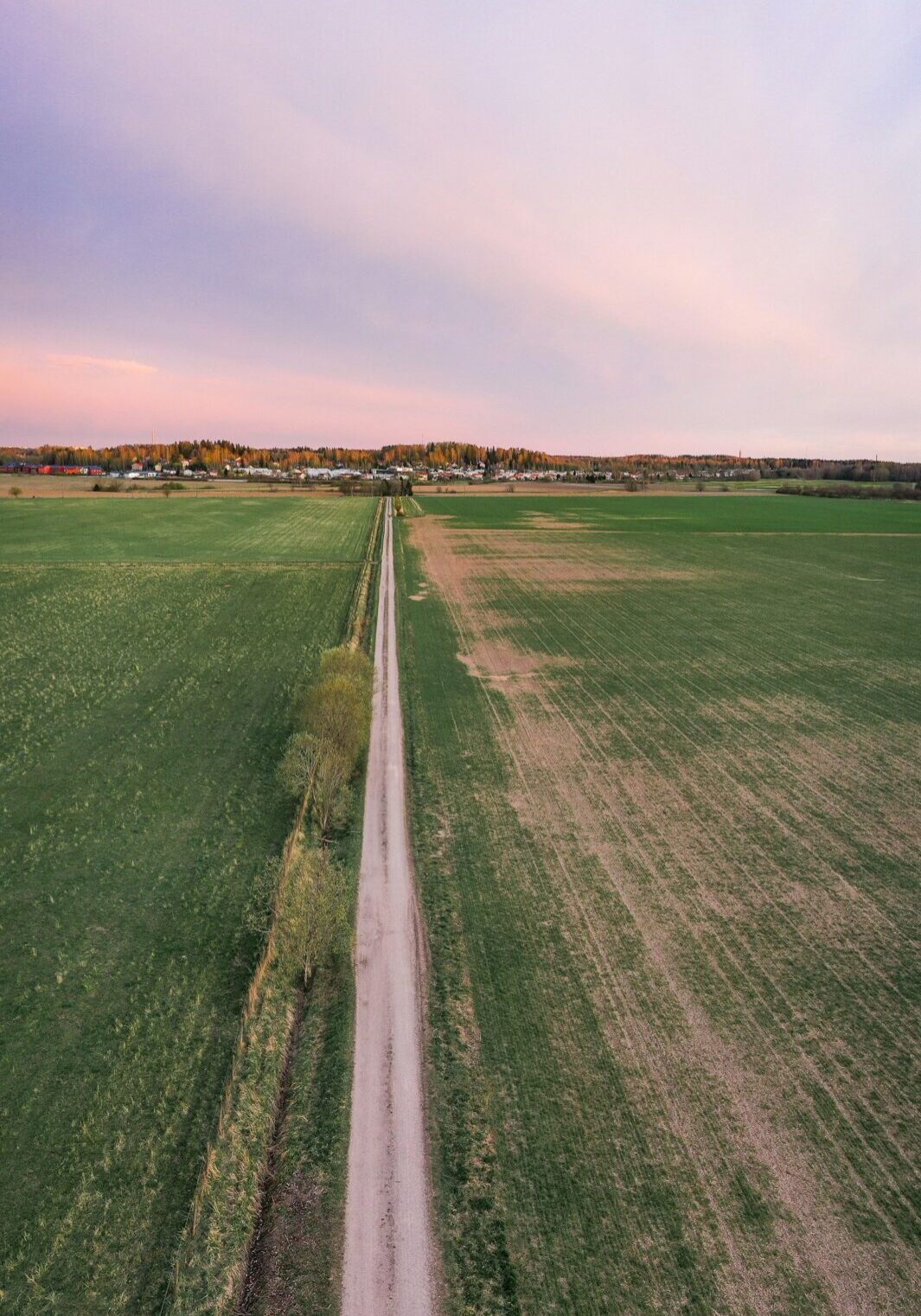
Our firm handles 5th Amendment cases related to property claims involving the conversion of privately owned railroad rights-of-way to public walking trails for landowners located in various states across the country. This has been referred to as “Rails to Trails” litigation. We also handle other inverse condemnation and eminent domain matters.
Understanding Property Owners’ Rights
Property owners have fundamental rights that protect their ability to use, sell, and manage their property.
These rights include:
- Right to Possession – The right to control and occupy your property.
- Right to Use – The ability to use your property as you see fit, within legal limits.
- Right to Transfer – The ability to sell, lease, or gift your property.
- Right to Exclude – The right to keep others off your land.
- Right to Enjoyment – The right to use your property without unreasonable interference.
Despite these protections, property owners often face legal disputes that require experienced legal support.
Common Property Disputes
Property disputes can arise from various situations. Some of the most common legal issues include:
Boundary Disputes
Disagreements over property lines can lead to legal conflicts. If a neighbor encroaches on your land, or there's confusion about boundary markers, legal action may be necessary to resolve the issue.
Easements and Right-of-Way Issues
An easement gives someone the right to use a portion of your property for a specific purpose, like a shared driveway or utility access. Problems can arise when easements are unclear or misused.
Landlord-Tenant Disputes
Rental properties come with legal obligations for both landlords and tenants. Disputes often involve:
- Unpaid rent
- Lease violations
- Eviction proceedings
- Property damage claims
Zoning and Land Use Regulations
Local governments enforce zoning laws that dictate how property can be used. Property owners may face legal challenges if they:
- Want to change property use (e.g., converting residential property to commercial)
- Receive a zoning violation notice
- Need a variance or special permit
Nuisance Claims
If a neighbor’s actions interfere with your ability to enjoy your property—such as excessive noise, pollution, or obstructions—you may have legal grounds for a nuisance claim.
Government Takings (Eminent Domain)
The government has the power to take private property for public use through eminent domain, but they must provide fair compensation. If you’re facing a government taking, you have the right to challenge the process or negotiate better compensation.
Property Damage and Liability
Property owners can be held liable for injuries that occur on their property due to negligence. Likewise, if someone damages your property, you have legal options to seek compensation.
Legal Protections for Property Owners
Property owners have legal options to protect their rights.
These include:
- Title Insurance – Protects against hidden property ownership issues.
- Restrictive Covenants – Helps maintain property values and community standards.
- Homeowners’ Associations (HOA) Rules – Must be followed but can be legally challenged if unfair.
- Property Tax Appeals – If you believe your property taxes are too high, you can appeal the assessment.
An experienced attorney can help you understand and enforce these protections.
What to Do If Your Property Rights Are Violated
If you’re facing a property dispute, follow these steps:
- Gather Documentation – Collect deeds, surveys, lease agreements, or zoning ordinances related to your issue.
- Communicate with the Other Party – Sometimes, disputes can be resolved through direct discussion.
- Consult a Lawyer – Legal guidance can help you understand your rights and next steps.
- Consider Mediation or Litigation – Some disputes can be settled through negotiation, while others may require legal action.
Rails to Trails Cases
These types of cases normally involve a railroad that desires to abandon miles of railroad track and right-of-way in a state, but certain organizations request the United States to stop landowners from acquiring state-based legal rights to their underlying property in the former railroad right-of-way - thus, the need for federal court intervention.
Our practice originates cases in the United States Court of Federal Claims in Washington, D.C., where the United States government is the only defendant. Every state has different laws concerning landowners’ rights in the process.
Frequently Asked Questions
While a Rails to Trail project was made available to everyone, it is not an example of landowners who need to fight for property rights to former right-of-way railroad lines that are now defunct. If you are involved in such a matter, we urge you to speak to our attorney about it.
Other property rights matters can involve:
- Inverse condemnation: where the value of your property is damaged when the government takes it for public use without first paying for it or offering less than reasonable compensation; landowners can file an inverse condemnation lawsuit seeking acceptable compensation
- Eminent domain: in which private property is taken by the government so that it can be converted for public use; this requires fair and just compensation to landowners
Defend Your Property Rights! Whether it’s a dispute or legal concern, we’re ready to assist.
Call or contact us to get started today.
What Sets Us Apart
We Speak Your Language
We'll skip the legalese and explain your case in plain words.
Fighting for the Underdog
We're passionate about advocating for the “little guy” and have successfully fought against large opposition.
Client-Motivated
We tailor your strategy to what matters the most to you. With us, you'll always come first.
Native American-Owned
We are a locally owned firm and our attorneys are licensed in State, Federal, and Tribal Courts.